Facebook Pixel

Summer Seasonal

Matériaux Pont Masson Blog

Why Choose Tricera Brackets for Your Patio Structure?

Outdoor structures need to withstand harsh weather, temperature fluctuations and years of exposure to the elements. Traditional wood framing can require frequent maintenance, including staining, replacing damaged boards and correcting structural movement over time.

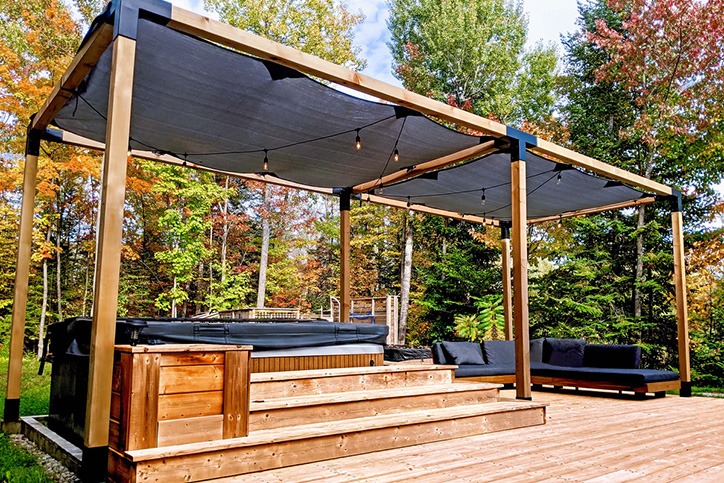
Tricera galvanized steel systems offer a durable and modern alternative designed for the realities of Quebec and Ontario climates. Whether you are building a ground-level patio, an elevated deck or a custom outdoor project, Tricera brackets and framing systems provide strength, precision and long-term reliability.

What Are Tricera Brackets?

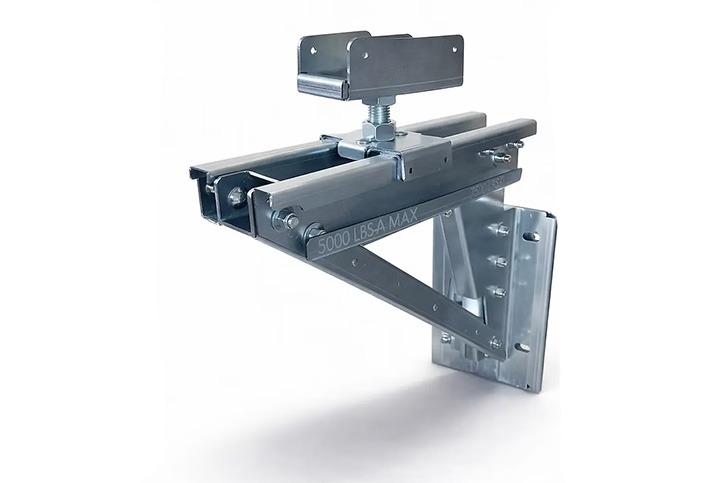
Tricera is a modular galvanized steel framing system designed for residential and commercial outdoor projects. Unlike traditional wood framing methods, Tricera components are manufactured using G90 galvanized steel and assembled mechanically for a precise and durable structure.

The result is a strong and stable framing system built to last for decades with minimal maintenance.

Why Is Galvanized Steel a Good Choice?

Galvanized steel includes a protective coating that helps prevent rust and corrosion. This makes it an excellent material for outdoor installations exposed to rain, snow, humidity and freeze-thaw cycles.

Galvanized steel framing also provides excellent structural stability and load capacity while requiring very little maintenance over time. For many homeowners, it represents a more durable long-term solution than traditional wood framing.

Frequently Asked Questions About Tricera Systems

Do Tricera Structures Rust?

Tricera components are made from G90 galvanized steel, designed to offer excellent corrosion resistance. This allows the structure to better withstand the demanding climate conditions found across Quebec and Ontario.

Can Different Decking Materials Be Installed?

Yes. Tricera systems are compatible with a variety of finishing materials depending on the style and needs of the project. Treated wood, natural wood, composite decking and some aluminum systems can all be installed over the structure.

This flexibility makes it easy to create a customized outdoor space without compromising durability or structural integrity.

Is Installation Complicated?

Tricera systems are designed to simplify installation through modular construction and precision manufacturing.

Many components arrive pre-engineered for fast assembly, helping reduce installation time while improving structural consistency.

Why Are Tricera Brackets Popular for Patio Projects?

Tricera brackets help create strong, stable and precise patio structures. Their design simplifies framing while ensuring excellent support and long-term performance.

They are especially appreciated for residential deck projects because they help maintain a straight and level structure over time while reducing many of the maintenance issues associated with traditional wood framing.

Do Tricera Structures Require Maintenance?

One of the main advantages of galvanized steel framing is the minimal maintenance required.

Unlike traditional wood structures, galvanized steel will not rot or warp from moisture exposure. The structure remains stable over time and does not require frequent structural repairs. Maintenance requirements will mainly depend on the surface material selected for the deck itself.

Can a Tricera Structure Be Expanded Later?

Yes. The modular concept allows many projects to be modified or expanded over time.

This flexibility can be useful when enlarging a patio, modifying an access point or adapting the outdoor layout to changing needs.

Why Choose Steel Framing Instead of Wood?

Wood remains a popular building material, but many homeowners are now looking for more durable and low-maintenance alternatives.

Traditional wood framing can shift over time and is more vulnerable to moisture and long-term deterioration. It also requires ongoing maintenance to preserve its appearance and structural integrity.

Tricera galvanized steel framing offers excellent stability, moisture resistance and long-term durability. Because it does not rot, it provides a reliable low-maintenance solution for outdoor living spaces.

What Types of Projects Can Be Built With Tricera?

Tricera modular systems can be used for many outdoor applications, including ground-level patios, elevated decks, balconies and commercial platforms.

Thanks to their modular design, they can adapt easily to different layouts and terrain conditions.

Designed for Quebec and Ontario Weather

Freeze-thaw cycles, humidity and harsh winters can place significant stress on outdoor structures.

Tricera systems are designed to handle these conditions through galvanized steel construction, robust engineering and precise mechanical assembly. The result is a stable and durable outdoor structure built for long-term performance in Canadian climates.

Conclusion

Choosing Tricera means investing in a durable and modern outdoor framing solution designed for the weather conditions of Quebec and Ontario.

Whether you are planning a new patio or an elevated deck, Tricera brackets and galvanized steel framing systems provide a strong and low-maintenance alternative to traditional wood structures.

Matériaux Pont Masson Blog

How to Build a Modern Outdoor Privacy Screen

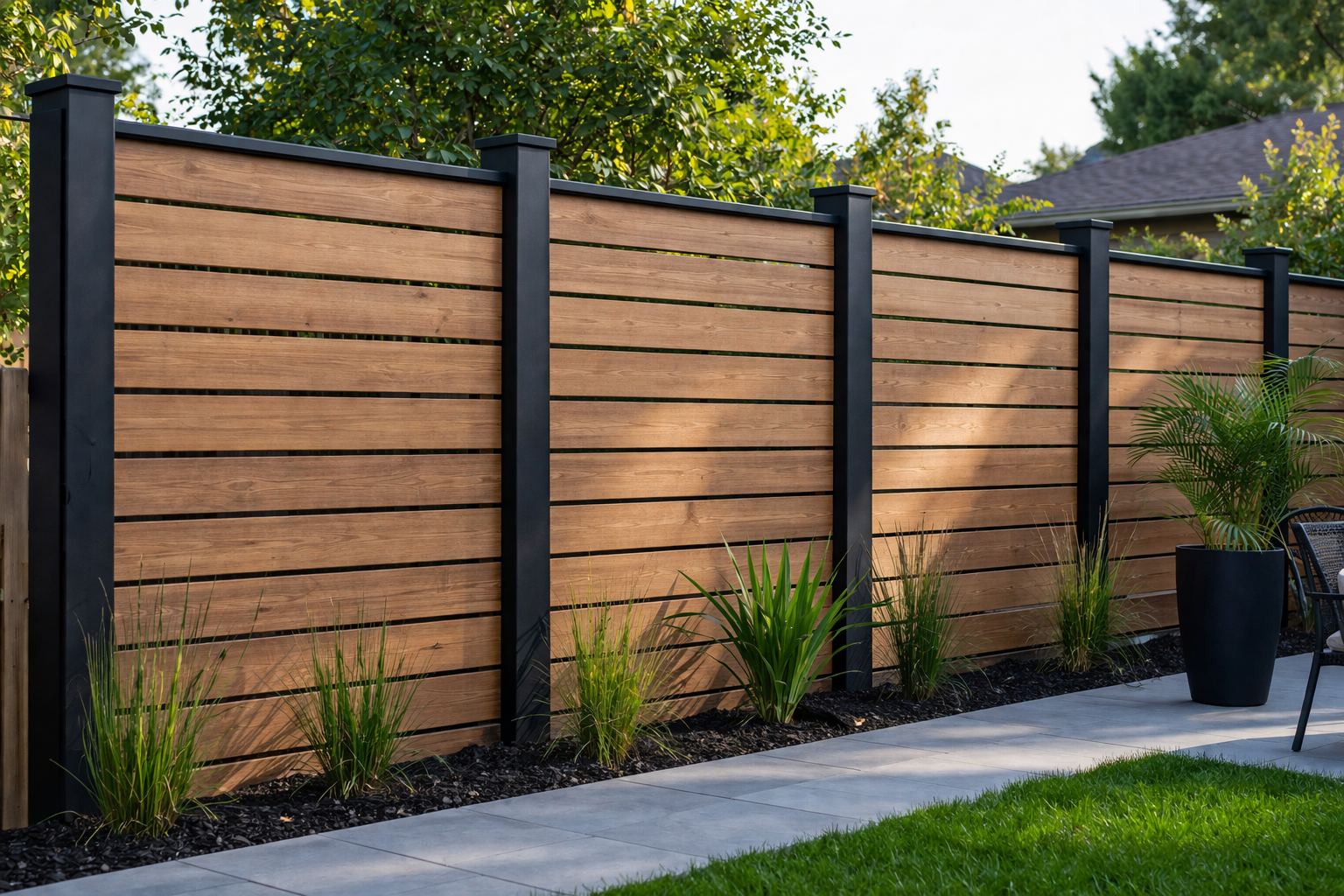
Creating a stylish and durable privacy screen has never been easier thanks to modular systems available at Pont-Masson. By combining aluminum posts, treated wood boards, and U-channels, you can achieve a sleek, weather-resistant, and modern look.


Materials Needed

For this project, you’ll need:

  • 72-inch U-channel system (pack of 2)
  • 5/4’’ x 6’’ treated wood boards (depending on desired height and width)
  • 3’’ x 3’’ x 76’’ black aluminum posts

Why choose these materials?

  • Aluminum: rust-proof, strong, and modern-looking
  • Treated wood: easy to cut and stain
  • U-channels: allow boards to slide in easily with no visible screws

Required Tools

  • Drill/driver
  • Level
  • Measuring tape
  • Saw (if adjustments are needed)
  • Pencil

Step-by-Step Instructions

1. Plan the layout

Determine the total length of your screen and the number of sections required.
Each 5/4’’ x 6’’ board covers approximately 5 1/4’’ in width.


2. Install the aluminum posts

Secure the posts:

  • Directly onto a concrete slab (using anchors)
  • Or into the ground

Make sure they are perfectly level and evenly spaced.


3. Install the U-channels

Attach the U-channels inside the posts:

  • One on each side to create a groove
  • These will guide the boards into place

4. Insert the treated wood boards

Slide the boards into the channels:

  • Adjust height using spacers if needed
  • Trim slightly for a perfect fit

5. Final assembly

Once the boards are in place:

  • Add a few discreet screws for extra stability
  • Check overall alignment

Pro Tips

  • Leave a small gap at the bottom to avoid ground contact and allow airflow
  • Use a level at every step for a professional finish
  • Combine multiple sections to create a full wall
  • Add outdoor lighting for a premium nighttime effect

Design Ideas

  • Install near a spa or relaxation area
  • Use as a semi-detached patio divider
  • Add climbing plants to soften the modern look
  • Mix with wood elements for a warm contrast

Benefits of This Type of Screen

  • Quick installation (no complex structure required)
  • Low maintenance
  • Excellent durability in harsh climates
  • Highly sought-after modern design

Conclusion

This type of privacy screen is an ideal solution for creating a stylish and intimate outdoor space. With materials available at Pont-Masson, you can transform your backyard into a modern retreat—in just one weekend.

Matériaux Pont Masson Blog

Prep and Stain Your Wooden Deck the Right Way

How to Properly Prepare and Stain Your Wooden Deck

With the return of warm weather, your wooden deck becomes a central spot for meals, relaxation, and outdoor living. To keep it welcoming and in good condition, regular maintenance is essential. It starts with proper preparation followed by the application of a suitable exterior stain.

In this article, you’ll discover the key steps to effectively maintain your deck, along with product suggestions available at PontMasson.


1. Inspect and Clean the Deck
Before starting, inspect the entire deck. Look for cracked boards, protruding nails, or signs of rot. Replace damaged parts and reinforce loose fasteners.

Cleaning is essential to remove dirt, mold, old stain residue, or pollution. Use a specialized wood cleaner like SICO’s deep-acting formula that won’t damage the wood.

Apply the product as directed, let it sit, then rinse thoroughly with a garden hose or low-pressure washer.

Suggested Product: Exterior Wood Cleaner


2. Let It Dry Completely
After cleaning, let the deck dry thoroughly. Recommended drying time is at least 48 hours. The wood should feel dry to the touch and be dry internally.

If you have one, a moisture meter can help confirm the moisture level is below 15%, ensuring proper stain absorption.


3. Sand the Surface if Needed
Sanding smooths the surface and opens the wood grain for better stain adhesion. It’s especially useful if the wood is rough or has remnants of old stain.

Use an orbital sander with 60–80 grit sandpaper. After sanding, carefully remove all dust.

Suggested Product: Orbital Sander


4. Choose the Right Stain
Your stain choice depends on your aesthetic preferences and desired protection level:

  • Semi-transparent: Preserves the natural look of the wood while protecting against UV and moisture.
  • Opaque: Offers full coverage and hides imperfections. Ideal for older or damaged decks.

At PontMasson, you’ll find trusted brands like Steina and SICO known for performance and durability.

Suggested Product: Steina Exterior Stain


5. Apply the Stain
Apply stain when the weather is stable, between 10°C and 25°C. Avoid applying in direct sunlight or just before rain.

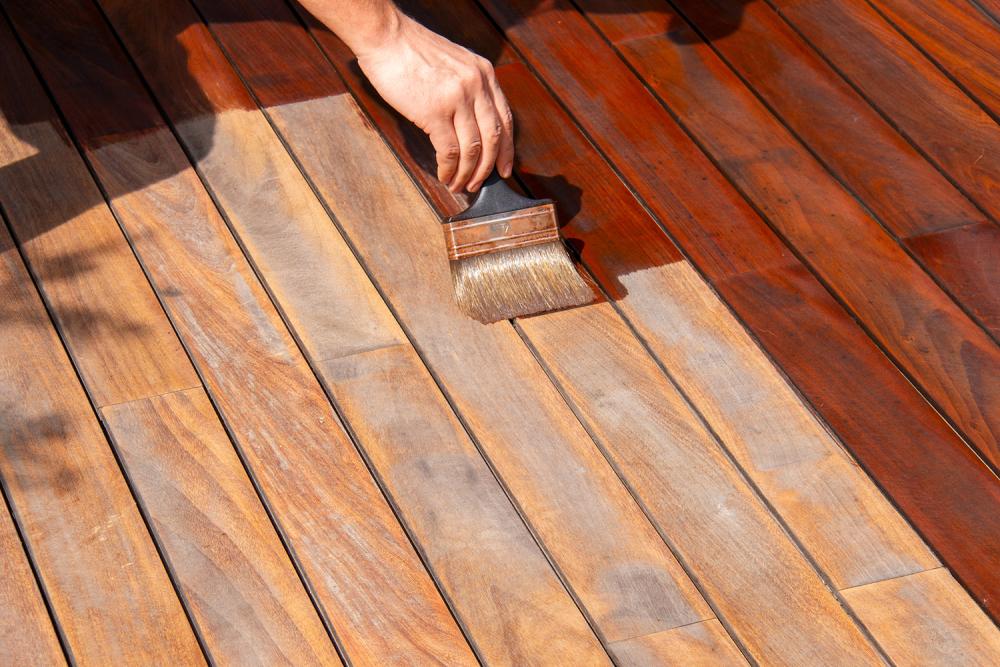
Apply in the direction of the wood grain using a brush, roller, or stain applicator pad. Work in sections to avoid visible lines. Two thin coats are often better than one thick coat.

Follow the drying time between coats and check for a uniform finish.

Useful Accessories:

  • Stain Applicator
  • Stain Brush

6. Long-Term Maintenance
A well-maintained deck requires little effort each year, but regular care extends its life. Gently clean it in spring, check the finish, and touch up worn areas as needed.

Reapplication frequency depends on the stain type and climate, but every 2–3 years is generally recommended.


Conclusion
Preparing and staining your deck isn’t complicated if you follow the right steps. With professional-grade products and proper drying times, you’ll achieve a durable, attractive finish that stands up to the elements.

Visit PontMasson.com to explore our selection of stains, tools, and maintenance tips. Your deck will thank you!

Matériaux Pont Masson Blog

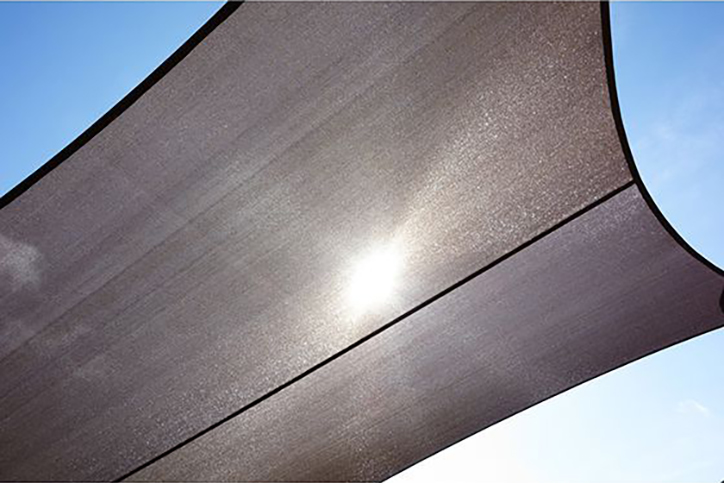
Build a Structure for a Rectangular Shade Sail

ow to Build a Structure for a Rectangular Shade Sail in Your Yard

Want to enjoy your yard without getting scorched by the sun? A rectangular shade sail is a simple, stylish, and effective way to create a cool and comfortable space. But to keep it secure and long-lasting, you’ll need a solid structure. Here’s a practical step-by-step guide to build your own.


Materials Needed

Materials:

  • 4 treated wood posts (4"x4") or metal (galvanized steel or aluminum)
  • Quick-set concrete (to anchor the posts)
  • Galvanized screws or bolts
  • Stainless steel cables or turnbuckles
  • Carabiners and mounting rings
  • Rectangular shade sail (e.g., 3x4 m or 4x5 m depending on your space)

Tools:

  • Shovel or auger
  • Drill/driver
  • Level
  • Socket wrenches
  • Measuring tape
  • Step ladder

Step 1: Choose the Right Location
Before you start, observe your yard:

  • Position the sail to maximize shade during peak sun hours
  • Choose a clear area without branches or obstacles
  • Ensure the ground is stable for post installation
    Tip: Plan for a slope of about 20% on one side of the sail to allow rainwater to drain.

Step 2: Mark and Dig Post Holes
Mark the four corners where the posts will go, accounting for the sail’s dimensions plus a few extra centimeters for tension.

  • Dig holes about 90 cm deep (or more depending on soil).
  • Insert the posts and align them using a level.
  • Pour concrete around each post and let it cure for 24–48 hours.
    Variation: You can attach two corners of the sail to solid walls and use only two posts for the other corners.

Step 3: Install the Mounts
Once the posts are secure:

  • Drill and install eye hooks or mounting rings at the top of each post.
  • Place them at slightly different heights to create the sail’s slope.
  • Attach cables or turnbuckles to the sail and connect them to the posts using carabiners.
  • Tensioning: Adjust the turnbuckles until the sail is taut, with no sagging or wrinkles.

Step 4: Customize and Maintain

  • Paint or stain the posts to protect them from weather and match your outdoor decor.
  • Clean the sail occasionally with mild soapy water.
  • Check the mounts after strong winds or storms.

In Summary
Installing a rectangular shade sail in your yard is a beginner-friendly project. With a bit of planning and quality materials, you’ll enjoy a stylish and durable shaded area all summer long—and beyond!

Matériaux Pont Masson Blog

How to Calculate Materials for Building a Pressure-Treated Wood Deck

How to Calculate Materials for Building a Pressure-Treated Wood Deck

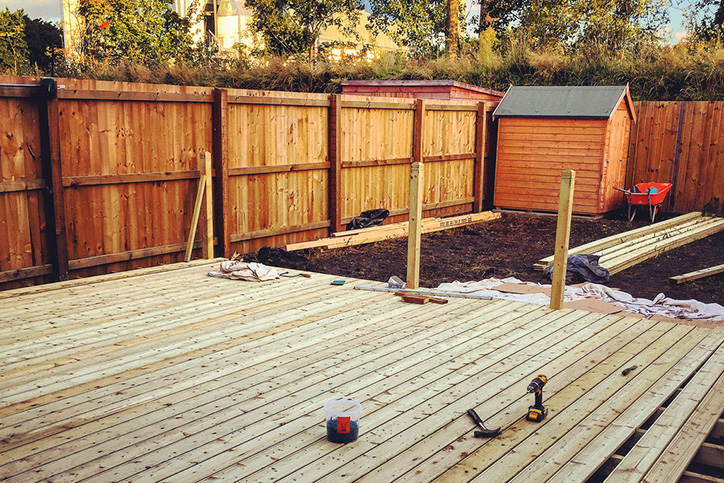
Building a pressure-treated wood deck is a rewarding project that requires careful planning. Before grabbing your tools, you need to accurately estimate the materials. Here’s a practical guide to help you calculate everything you’ll need, with simple examples adaptable to any dimensions.


1. Define the Deck Area
Start by measuring the length and width of the deck to get the total square footage.
Formula:
Area = Length × Width
Example: A deck measuring 12 feet by 16 feet gives a total area of 192 square feet.


2. Calculate Decking Boards
The boards used measure 1-1/4" × 6", but the actual usable width is about 5-1/2 inches, or 0.458 feet.
Formula:
Linear feet required = Total area ÷ 0.458
Example:
192 ft² ÷ 0.458 = approx. 419 linear feet of boards.
Then, choose your board length (8', 10', 12', 14', or 16') to convert linear feet into board count.
Example:
419 ÷ 12 = approx. 35 boards of 12 feet.
Always plan for 10% extra for cuts and unexpected needs.


3. Calculate Joists
Joists are typically spaced 16 inches apart (1.33 feet). You’ll need one joist at each interval, plus one at each end.
Formula:
Number of joists = Deck width ÷ 1.33 + 1
Example:
For a 16-foot-wide deck:
16 ÷ 1.33 + 1 = approx. 13 joists.
Each joist should span the depth of the deck (e.g., 12 feet for a 12-foot-deep deck).


4. Calculate Beams and Posts
Beams:
The number depends on the span between supports (usually 6 to 8 feet). For a standard deck, install 2 to 3 beams parallel to the house.
Posts or Concrete Blocks:
Each beam needs a support every 6 to 8 feet.
Example:
For a 16-foot-wide deck, plan for about 6 to 9 posts depending on the structure.


5. Hardware and Accessories
Don’t forget:

  • About 30 to 40 wood screws per board.
  • 1 joist hanger per joist.
  • Beam anchors and other fasteners depending on your method.
  • Extra boards for finishing edges or skirting.

6. Quick Calculation Summary

  • Area = Length × Width
  • Linear feet of boards = Area ÷ 0.458
  • Number of boards = Linear feet ÷ chosen board length
  • Joists = Width ÷ 1.33 + 1
  • Beams = Based on span (usually 2 to 3)
  • Posts = 1 every 6 to 8 feet under each beam
  • Recommended surplus = 10% extra for each main material

Conclusion
By following these simple and flexible steps, you can adjust the calculations to any deck size. Always check your local building codes before starting construction.

Matériaux Pont Masson Blog

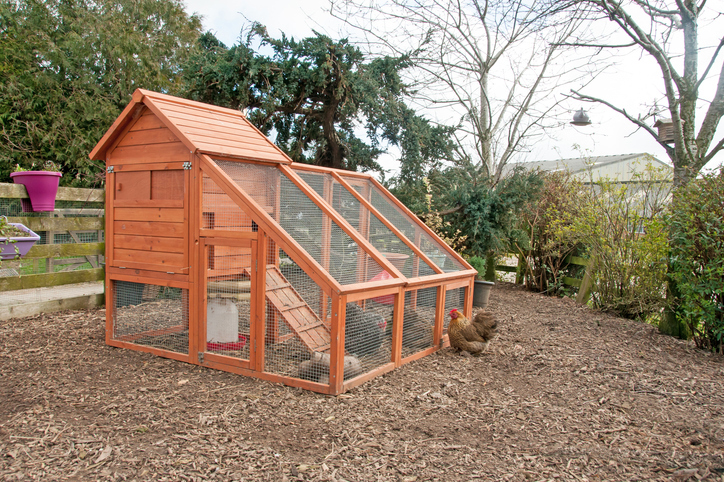
7 Tips for Building a Chicken Coop in the City: Practical and Eco-Friendly Guide

Keeping chickens in the city? Yes, it’s possible!
In addition to providing fresh eggs, chickens help reduce organic waste and bring life to your urban garden. But how do you build a coop that suits an urban environment? Follow this guide for a project that’s stylish, practical, and animal-friendly.


1. Check Local Regulations

Before you begin, check with your city or municipality. Many cities allow chickens, but there may be restrictions on the number of birds (usually 2 to 4) and the size of the coop. Roosters are often prohibited due to noise.


2. Choose the Ideal Location

Even in the city, your chickens need a peaceful space. Prioritize:

  • A shaded area to avoid overheating in summer
  • Well-drained soil to prevent moisture buildup
  • A spot sheltered from wind, such as near a fence or wall

3. Plan the Coop Structure

A good chicken coop includes three essential zones:

  • Sleeping shelter: A closed space with roosts and nesting boxes. Plan about 1 m² for every 2 to 3 chickens.
  • Outdoor run: A fenced area where they can safely scratch the ground.
  • Storage space: For feed, bedding, and accessories.

Tip: You can find all necessary materials—framing wood, plywood panels, and chicken wire—at Pont Masson.


4. Ensure Chicken Comfort

To keep your chickens happy:

  • Install roosts (about 30 cm per chicken)
  • Provide one nesting box for every 2 to 3 chickens, lined with straw
  • Ensure good ventilation without drafts
  • Set up a feeder and waterer protected from the elements

5. Make Cleaning Easy

Cleanliness is essential in urban settings to avoid odors and pests.

  • Use absorbent bedding (like wood shavings available at Pont Masson) and change it regularly
  • Clean the shelter weekly
  • Store feed in airtight containers

6. Think About Aesthetics

Your coop can blend beautifully into your urban garden:

  • Paint it in neutral or pastel tones (exterior paints available at Pont Masson)
  • Add a green roof for insulation and style
  • Create a small stone path for easy access to the run

7. Enjoy the Benefits

With a small urban chicken coop, you’ll enjoy:

  • Fresh eggs—often tastier and more nutritious
  • Reduced organic waste (chickens love peels!)
  • A touch of nature in the heart of the city

Conclusion: A Little Bit of Country in the City

Building an urban chicken coop is an accessible project that combines ecology, food autonomy, and animal welfare. With a bit of planning and the right materials—like those available at Pont Masson—your chickens will be happy, and so will you!

Matériaux Pont Masson Blog

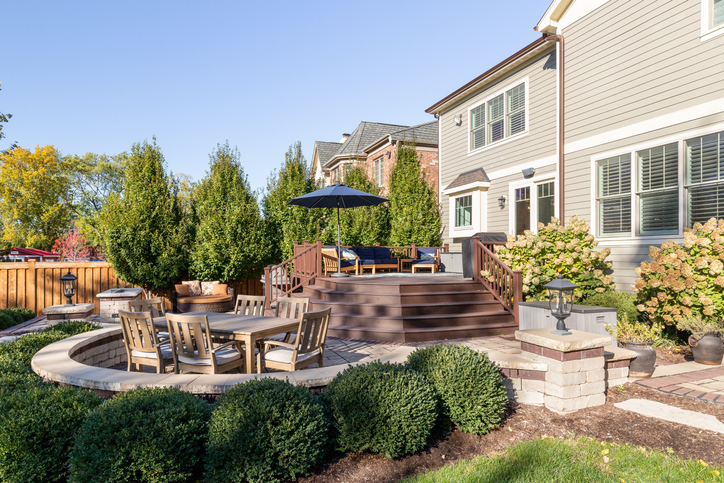
5 Tips to Get Your Backyard Ready for Spring

With spring’s arrival, it’s time to breathe new life into your backyard and prepare it to enjoy the sunny days ahead. Here are 5 essential tips to refresh your outdoor space and make it welcoming for the season.


1. Clean and Repair Outdoor Surfaces

Winter often leaves behind debris, stains, and damage on outdoor surfaces. Start by:

  • Picking up dead leaves and fallen branches
  • Cleaning your deck and walkways with a hose or pressure washer
  • Inspecting wood and stone structures to repair cracks or replace damaged boards

2. Prepare the Lawn

A well-maintained lawn is the foundation of a pleasant backyard. To achieve this:

  • Rake the lawn to remove thatch and encourage new growth
  • Add a bit of natural fertilizer to revitalize the grass
  • Reseed sparse areas to create a lush, green lawn

3. Refresh Flower Beds and Garden Areas

Your flower beds and green spaces need a spring makeover:

  • Weed the garden beds to prevent unwanted growth
  • Add mulch to retain soil moisture and enhance landscaping
  • Prune shrubs and perennials to stimulate healthy growth

4. Check and Maintain Outdoor Furniture

Outdoor furniture may have suffered from winter weather. Take time to:

  • Clean chairs and tables with soapy water
  • Apply protective coatings to wood or metal furniture
  • Replace damaged cushions and add new accessories for a fresh look

5. Create a Cozy Atmosphere

Once your yard is clean and organized, add decorative elements to make it more inviting:

  • Install outdoor lighting to extend your evenings
  • Add potted plants or colorful flowers for a fresh touch
  • Set up a relaxation corner with comfy chairs or a hammock

With these 5 simple tips, your backyard will be ready to welcome spring and become the perfect space to relax and entertain family and friends.