Low-expansion foam is a valuable ally in construction, renovation, and insulation work. Easy to use and extremely effective when properly applied, it improves thermal and sound insulation, fills narrow gaps, and seals openings without causing damage. But when exactly should you use it—and how can you ensure proper application? Here’s a practical guide.
What Is Low-Expansion Foam?
Unlike high-expansion foam, which can expand up to three times its initial volume, low-expansion foam remains more contained (typically 10–30% expansion). This makes it ideal for precision work or in areas where excessive expansion could warp materials or block mechanisms.
When to Use It
Here are some situations where low-expansion foam is particularly suitable:
-
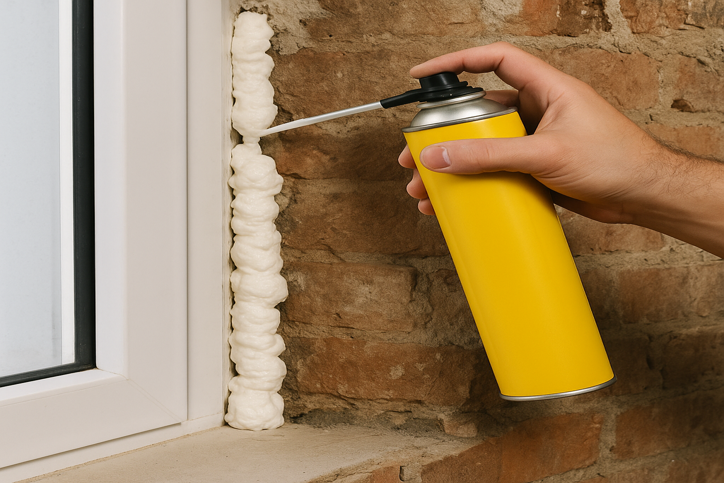
Around Doors and Windows
It seals gaps between the frame and wall without exerting too much pressure, preventing warping that could hinder proper opening or closing. -
Filling Small Cavities
In walls, floors, or ceilings—perfect for filling small holes without overflow or excessive swelling. -
For Precise Insulation Projects
It’s great around electrical boxes, pipes, or wooden structures where uncontrolled expansion could crack or damage components. -
When Maximum Control Is Needed
In finished areas (like painted walls or drywall), low-expansion foam minimizes potential damage.
How to Use It Properly
-
Prepare the Surface
Ensure the surface is clean, dry, and dust-free. A slight misting of water can help the foam cure faster. -
Shake the Can Thoroughly
Shake the cartridge vigorously for about 30 seconds before use to mix the components properly. -
Apply with Precision
Insert the nozzle into the gap and apply slowly from the back outward. Fill only 50–70% of the space—the foam will expand slightly. -
Let It Cure Completely
Depending on the product, curing takes between 1 and 8 hours. Avoid touching it during this time. -
Trim the Excess and Finish
Once cured, cut off any surplus with a knife and cover with plaster, paint, or another finish.
Additional Tips
-
Always wear gloves and safety goggles.
-
Keep foam cleaner handy for fresh spills.
-
Don’t shake the can while applying.
-
Store upright at room temperature to prevent clogging.
In Summary
Low-expansion foam is perfect for precise applications. When used correctly, it provides long-lasting, damage-free insulation. Whether you’re a weekend DIYer or a professional, knowing when and how to use it will help you achieve better results and avoid costly mistakes.