When shopping for a kitchen range hood or a bathroom exhaust fan, two technical terms often come up: sones and CFM. While they may sound complex at first, these numbers are essential to choosing an appliance that is efficient, quiet, and well-suited to your space.
At Pont-Masson, we believe that making the right choice starts with understanding the basics. Here’s a simple guide to help you shop with confidence.
What Does CFM Mean?
CFM (Cubic Feet per Minute) measures the amount of air an appliance can move in one minute. The higher the number, the more powerful the unit.
Why CFM Matters
-
It determines how effectively air is exhausted
-
It affects the removal of:
-
moisture
-
odors
-
smoke
-
grease
-
Recommended CFM by Application
For a Kitchen Range Hood
-
300 to 400 CFM: light cooking (electric cooktop, occasional use)
-
450 to 600 CFM: regular cooking, gas cooktops
-
600 CFM and up: heavy cooking, large kitchens, or island installations
Tip: The more powerful your cooktop, the higher the CFM your range hood should have.
For a Bathroom Fan
-
50 to 80 CFM: small bathroom or powder room
-
80 to 110 CFM: standard-sized bathroom
-
110 CFM and up: large bathrooms or rooms with glass showers or high ceilings
Simple rule: plan for about 1 CFM per square foot of bathroom space.
What Are Sones?
Sones measure the noise level of a fan or hood. The lower the sone rating, the quieter the appliance.
Understanding Sone Levels
-
0.5 to 1 sone: very quiet (barely noticeable)
-
1 to 2 sones: quiet and comfortable
-
3 sones and above: clearly audible
Finding the Right Balance Between Power and Noise
A powerful appliance that is too loud often ends up being underused. The goal is to find the right balance between CFM and sones.
General Recommendations
Kitchen Range Hoods
-
Aim for under 3 sones at normal operating speed
-
Multi-speed models offer greater flexibility
-
A hood that is wider than the cooktop captures smoke more efficiently, reducing the need for excessive power
Bathroom Fans
-
1.5 sones or less for optimal comfort
-
Ideal for daily or nighttime use
-
Quieter fans are more likely to be left running long enough to properly remove moisture
Other Factors to Consider
-
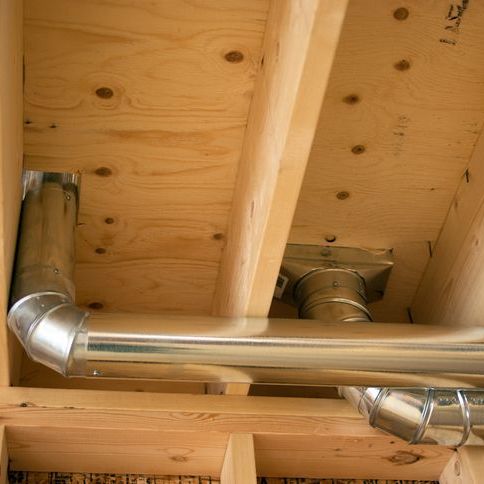
Proper ducting: poor duct installation reduces performance and increases noise
-
Installation type: wall-mounted, under-cabinet, ceiling-mounted, or island
-
Additional features:
-
timer
-
humidity sensor
-
LED lighting
-
washable filters
-
In Summary
| Feature | What to Remember |
|---|---|
| CFM | Measures airflow power |
| Sones | Measures noise level |
| Kitchen | Focus on power with controlled noise |
| Bathroom | Focus on quiet operation with adequate airflow |
Need Help Choosing?
The Pont-Masson team is here to help you select the right product based on:
-
room size
-
usage habits
-
budget
-
comfort preferences
Visit us in store or browse www.pontmasson.com to discover a wide selection of kitchen range hoods and bathroom fans for every project.
Make the right choice today for cleaner, healthier air tomorrow.