When we think of air pollution, we often picture car exhaust and outdoor smog. But the air inside our homes can be just as polluted—sometimes even more—especially in well-insulated spaces where air tends to stagnate. Dust, allergens, mold, chemical products, and excess humidity all contribute to poor indoor air quality. Fortunately, there are many simple actions you can take to make your home healthier.
1. Ventilate regularly to refresh the air
Ventilation is one of the most effective ways to improve indoor air quality.
-
Open windows even for a few minutes each day, including in winter.
-
Use exhaust systems: kitchen range hood, bathroom fan, dryer vented outdoors.
-
When doing renovations or using strong products (paint, varnish, solvents), ventilate thoroughly to remove chemical vapors.
Proper airflow helps reduce humidity, odors and airborne pollutants.
2. Keep your home clean to reduce allergens
Regular cleaning helps eliminate dust, mites, spores and irritants.
-
Vacuum and dust frequently.
-
Limit clutter and materials that trap dust.
-
Choose cleaning products with fewer chemicals to avoid releasing volatile compounds.
A clean home greatly contributes to cleaner air.
3. Use proper filtration to capture particles
Filters play a major role in removing airborne contaminants.
-
Install good-quality filters in your heating or cooling system.
-
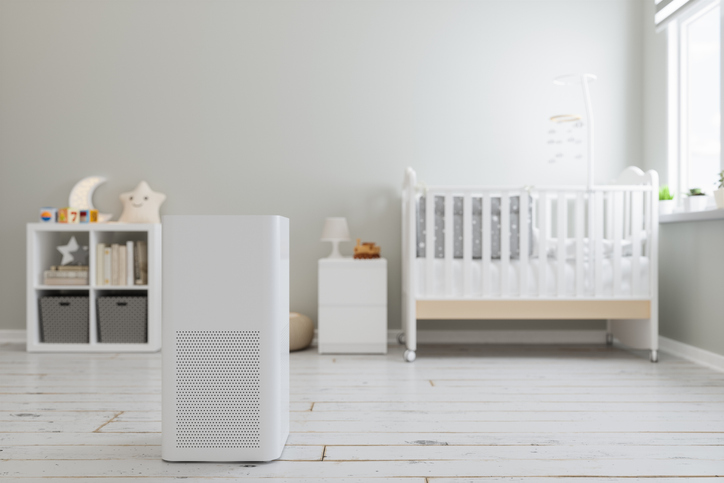
Whenever possible, choose HEPA filters, especially for allergy sufferers.
-
Clean or replace filters as recommended; dirty filters lose efficiency and may recirculate pollutants.
Good filtration significantly improves indoor air quality.
4. Control humidity to prevent mold
High humidity encourages mold growth, which can affect respiratory health.
-
Maintain humidity between 30% and 50%.
-
Use a dehumidifier in damp areas such as basements or bathrooms.
-
Repair leaks or water infiltration promptly.
Managing humidity helps prevent mold-related health risks.
5. Reduce sources of chemical pollutants
Many everyday activities release chemicals into the air.
-
Choose low-emission materials and paints during renovation projects.
-
Ventilate well when using adhesives, solvents, or strong cleaners.
-
Avoid synthetic air fresheners and aerosols that introduce unnecessary pollutants.
Fewer chemicals mean a healthier living environment.
Conclusion
Improving indoor air quality comes down to simple habits: proper ventilation, regular cleaning, effective filtration, humidity control and limiting chemical exposure. These manageable actions enhance both comfort and health for everyone in your home.