After winter, many homeowners notice cracks or small surface damage in their driveway. Freeze–thaw cycles, moisture and heavy snow can put outdoor surfaces under a lot of stress.
Fortunately, many issues can be repaired easily if they are addressed early. A quick inspection in the spring helps identify signs of wear before the damage gets worse.
Here is how to know when to repair your asphalt or paver driveway and what solutions may help.
Why driveways deteriorate after winter
In Quebec and Ontario, temperature fluctuations play a major role in driveway damage.
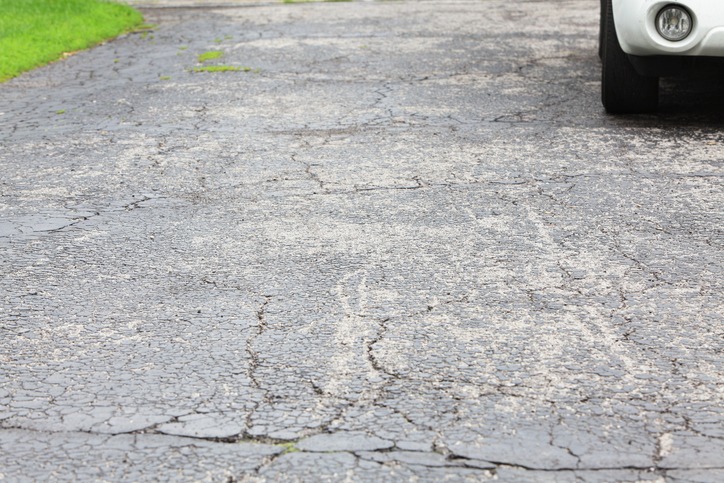
When water seeps into small cracks and freezes, it expands. Over time, this process can widen cracks and weaken the surface.
Other factors can also contribute to damage:
-
poor drainage around the driveway
-
a weakened gravel base
-
the weight of vehicles
-
normal material wear over time
A spring inspection often helps identify small issues that can be repaired quickly.
Cracks in asphalt driveways
Cracks are one of the most common problems with asphalt driveways.
When cracks are narrow and shallow, they can often be repaired with an asphalt crack filler designed for small repairs. For example, a product like Asphalt Crack Filler 3.78 L can be used to seal cracks and prevent water from penetrating the surface.
Before repairing cracks, it is recommended to:
-
clean the crack to remove debris
-
ensure the surface is dry
-
apply the repair product according to the manufacturer’s instructions
Repairing cracks early helps extend the lifespan of the driveway.
Cracks in paver or concrete driveways
In paver or concrete driveways, cracks may appear in the joints or directly in the surface.
Here are some common situations.
Open paver joints
Over time, the sand between pavers can erode. Adding polymeric sand can help stabilize the pavers and prevent movement.
Shifted or sunken pavers
If certain areas have settled, it may be necessary to remove the affected pavers, adjust the base and reinstall them.
Many of these repairs can be completed with basic tools.
Protecting asphalt with a driveway sealer
In addition to repairing cracks, applying an asphalt sealer is a good way to protect your driveway and extend its lifespan.
Over time, asphalt can dry out due to sun exposure, rain and temperature changes. A sealer forms a protective layer that helps reduce wear and water infiltration.
For example, a product such as Asphalt Driveway Sealer – 4-Year Protection (17 L) can help protect the surface and refresh the appearance of the driveway.
Applying a sealer can also:
-
slow down the appearance of cracks
-
protect the surface from moisture
-
restore a more uniform look to the asphalt
When to apply driveway sealer
In general, it is recommended to apply an asphalt sealer every two to three years, depending on the condition of the surface.
Spring and early summer are usually the best times for this type of maintenance when:
-
temperatures are mild
-
the surface is clean and dry
-
no rain is expected for several hours
Before applying the sealer, it is best to repair cracks and thoroughly clean the driveway.
A project most homeowners can handle
Applying asphalt sealer is a project that many homeowners can complete themselves.
The steps are usually simple:
-
clean the driveway to remove dirt and debris
-
repair cracks if necessary
-
apply the sealer using a roller or squeegee
-
allow the surface to dry according to product instructions
With proper preparation and the right materials, this project can often be completed in just a few hours.
Signs that larger repairs may be needed
In some situations, a simple repair may not be enough.
Certain signs may indicate that larger work is required:
-
wide cracks that continue to expand
-
multiple sunken areas
-
standing water on the surface
-
major deformation of the asphalt
When these problems occur, it may be better to consider partial or complete driveway resurfacing.
Simple maintenance can extend the life of your driveway
With regular maintenance, it is possible to extend the lifespan of an asphalt or paver driveway.
A few simple habits can make a big difference:
-
repair cracks as soon as they appear
-
clean the driveway each spring
-
apply sealer when needed
-
check drainage around the driveway
By addressing small problems early, you can keep your driveway in good condition for many years.