The end of February marks a key transition period for homeowners. While winter is not yet over, temperature fluctuations, freezing, and thawing can take a toll on a home. It is also the time when many homeowners begin thinking about upcoming maintenance and renovation projects for spring.
Planning ahead helps prevent unexpected issues and allows for better organization of materials, timelines, and priorities once warmer weather arrives.
Inspecting Winter Damage
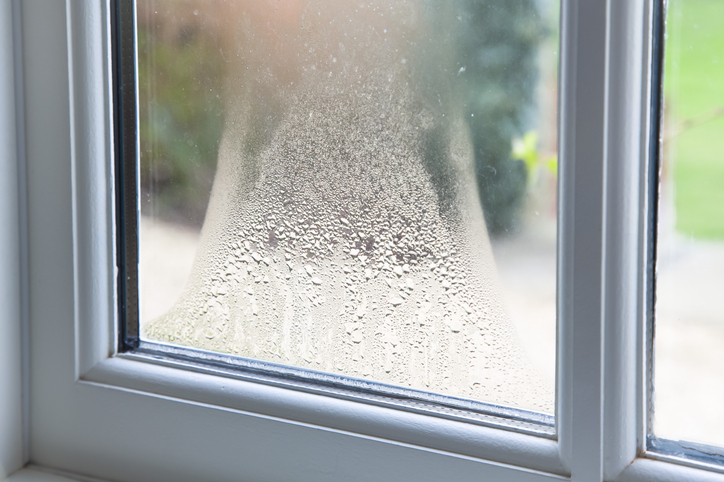
Québec winters are demanding on residential buildings. Before spring arrives, a visual inspection can help identify common issues such as cracks in concrete, foundations, or masonry, drafts around doors and windows, snow or ice buildup near the foundation, and signs of indoor moisture or condensation.
These issues may seem minor at first, but they often point to problems that should be addressed early to avoid further damage.
Evaluating Insulation and Energy Efficiency
Late winter is one of the best times to detect heat loss in a home. Temperature differences make insulation issues easier to identify, including uneven room temperatures, higher heating costs, and discomfort near exterior walls.
Identifying these signs early allows homeowners to plan targeted improvements, such as adding insulation or upgrading materials, before spring renovation season begins.
Planning Spring Renovation Projects
February is an ideal time to begin planning renovation projects. Early planning makes it easier to compare options, establish a realistic budget, and avoid the busy spring rush.
Common projects homeowners consider during this period include deck construction or repairs, interior renovations, exterior siding upgrades, and landscaping projects. Choosing materials suited to the local climate is essential to ensure durability and long-term performance.
Checking Exterior Areas When Possible
Even if snow is still present, certain exterior areas can already be inspected. Balconies, staircases, and railings should be checked, along with the condition of wood and concrete after freeze-thaw cycles and drainage around the home.
These early inspections help prioritize repairs and ensure a smoother transition once spring arrives.
Preparing for a Smooth Start to Spring
The end of winter is the ideal time to get ahead. By inspecting the home, identifying potential issues, and planning upcoming projects, homeowners can approach spring with confidence.
Proper preparation leads to better decision-making, more efficient renovations, and a more enjoyable start to the warmer season.